

Your anesthesia,
start to finish.
A clear, calm walk-through of your care, a resource almost no other group offers. Know what happens before, during, and after.
What to expect, step by step.
Before your procedure
Our anesthesia team works together with the facility staff to obtain your medical history, medications, and allergies. You will receive clear instructions so there are no surprises on the day of surgery.
Day of Surgery
After check-in, the Preop nurse will prepare you for surgery. The anesthesiologist will review your history and go over the anesthetic plan.
Recovery
You will be monitored closely in the recovery room after your procedure. We will manage your comfort and safety, and you will be provided clear instructions prior to being discharged.
Safety & questions
How our physician-led team keeps you safe, the concerns patients ask about most, and exactly who to call if a question comes up before or after your procedure.
Anesthesia FAQ
Which type of anesthesia will I have?
It depends on your procedure, your health, and your preferences. The main options are general anesthesia (you are fully asleep), sedation or monitored anesthesia care (you are relaxed or lightly asleep), and regional anesthesia or nerve blocks (a specific area is numbed). Your anesthesiologist will review the plan with you beforehand.
Who will administer my anesthesia?
Your care is led by a board-certified physician anesthesiologist, working with a care team that may include certified registered nurse anesthetists (CRNAs). A physician oversees your anesthesia from start to finish.
Is anesthesia safe?
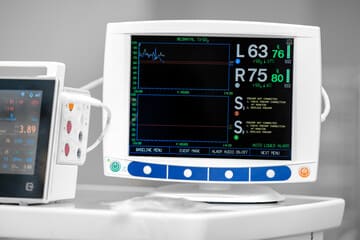
Modern anesthesia is very safe. A physician-led team monitors your breathing, heart rate, blood pressure, and oxygen continuously throughout your procedure and adjusts your care moment to moment. Your anesthesiologist will also review your health history to plan the safest approach for you.
What should I tell my care team before my procedure?
Share your current medications and supplements, any allergies, any past reactions to anesthesia, and whether you smoke or use alcohol or cannabis. Also mention conditions such as sleep apnea, or heart, lung, or diabetes concerns. These details help your anesthesiologist tailor your plan.
Can I eat or drink before anesthesia?
You will usually be asked to stop eating and drinking for a set period before your procedure. This is an important safety step, and the exact timing can vary, so follow the specific instructions your care team gives you.
Should I stop any of my medications beforehand?
Some medications and supplements, such as certain blood thinners, may need to be paused before your procedure, while others should be continued. Your care team will give you specific instructions. Do not stop any prescribed medication on your own without checking with them first.
Will I feel or remember anything during my procedure?
With general anesthesia you are fully unconscious and will not feel or remember the procedure. With sedation or a nerve block you may be relaxed, drowsy, or lightly asleep. Your anesthesiologist will explain what to expect for your specific plan.
How will I feel afterward?
As anesthesia wears off it is common to feel drowsy, and some patients have mild nausea or a sore throat for a short time. Your team watches you closely in recovery and can treat any discomfort. Most of these effects pass within the first day.
Will I need someone to drive me home?
If you receive sedation or general anesthesia, you will need a responsible adult to drive you home, and in most cases to stay with you afterward. You should not drive, operate machinery, or make important decisions for the rest of that day.
What will I owe, and how do I pay?
You can review cost & insurance information and request a Good-Faith Estimate on our billing page, and pay securely online.
Do I need to stop any medications, like GLP-1 drugs (Ozempic, Mounjaro), before anesthesia?
Some medications need to be adjusted or held before anesthesia. GLP-1 medications such as semaglutide (Ozempic, Wegovy) or tirzepatide (Mounjaro, Zepbound) can slow stomach emptying and may raise the risk of aspiration, so current guidance often calls for pausing them before surgery. The exact timing depends on your dose and how often you take it. Blood thinners, diabetes medications, and some supplements may also need changes. Please share a complete, current medication list with your care team, and do not stop or change anything on your own. Your anesthesiologist and surgeon will give you specific instructions before your procedure.
Does anesthesia affect your memory or cause dementia?
For most people, any effect on memory or thinking after anesthesia is short lived and resolves within days to weeks. Older adults and those having major or longer surgeries can have temporary confusion (postoperative delirium) or short-term cognitive changes. Current evidence does not show that anesthesia causes long-term dementia. Your anesthesiologist tailors the plan to lower these risks, and sharing your full health history helps. If you have any concerns about memory or thinking, talk with your anesthesiologist beforehand.